
Clinical findings and the goals you discuss.
Clear aligners may treat selected spacing, crowding, and bite concerns for patients able to wear removable trays consistently. Retainers help preserve the final position.
Orthodontics
The useful first question is not whether you can name the right service. It is what your symptoms, records, clinical findings, and priorities show together.
Your Caring Dental dentist will review your health, listen to what you want to understand or change, and explain how clear aligners & retainers or another reasonable direction may fit your needs.
Clear aligners may treat selected spacing, crowding, and bite concerns for patients able to wear removable trays consistently. Retainers help preserve the final position.
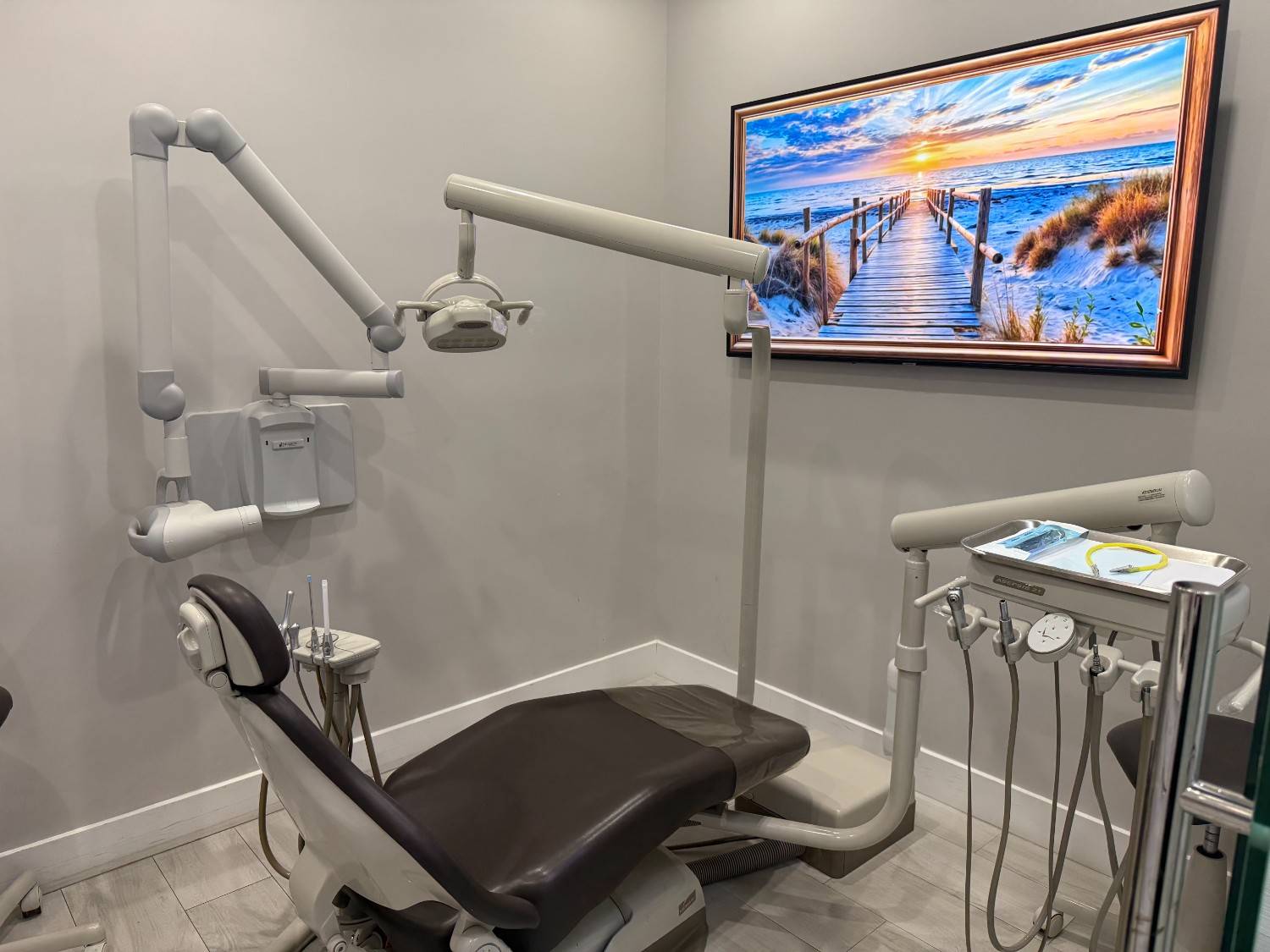
Your consultation is a chance to understand how clear aligners & retainers may fit into your care. The team will connect clinical findings to the symptoms, concerns, or changes that brought you in.
Clear aligners use a sequence of removable trays to guide selected tooth movements. Digital planning maps the intended stages, but progress still depends on consistent wear, healthy gums, appropriate attachments, and periodic clinical checks.
Retention is a separate and essential phase. Teeth naturally tend to shift after active treatment, so retainers and long-term monitoring protect the time and effort invested in alignment.
Digital records help map a sequence that accounts for tooth position, roots, bone support, and bite.
Success depends on consistent aligner wear, cleaning, appointments, and communication when trays do not fit as expected.
A long-term retainer plan helps limit the natural tendency for teeth to shift after active treatment.
These stages are a general guide. The exact visit or care plan varies with oral health, clinical needs, and the office’s recommendations.
A staged model maps how teeth are intended to move over time.
Trays are changed on schedule and worn for the prescribed daily time.
Progress is evaluated, finishing adjustments are made, and retainers protect the result.
Clean trays gently, remove them for eating as directed, and maintain excellent brushing and flossing. Long-term retainer wear is essential because teeth naturally tend to shift.
Your dentist will tailor instructions to the service, visit, and your health. If something feels different from what the team described—or symptoms worsen instead of improving—contact your Caring Dental office for guidance.
A clinical examination is the best starting point. Your dentist can identify the cause of a concern, discuss whether this service is useful, and explain any appropriate alternatives.
Comfort considerations depend on the service, planned visit, and your health. Tell the team about sensitivity or dental anxiety so your care can be planned with that in mind.
Cost varies with the service, complexity, materials, insurance, and number of visits involved. Ask the office what estimate and payment information may be available for the care being considered.
Clean trays gently, remove them for eating as directed, and maintain excellent brushing and flossing. Long-term retainer wear is essential because teeth naturally tend to shift.
Appointment requests