
Clinical findings and the goals you discuss.
Bonding can make conservative changes to small chips, gaps, uneven edges, or localized shape concerns using tooth-colored composite resin.
Cosmetic dentistry
The useful first question is not whether you can name the right service. It is what your symptoms, records, clinical findings, and priorities show together.
Your Caring Dental dentist will review your health, listen to what you want to understand or change, and explain how composite bonding or another reasonable direction may fit your needs.
Bonding can make conservative changes to small chips, gaps, uneven edges, or localized shape concerns using tooth-colored composite resin.
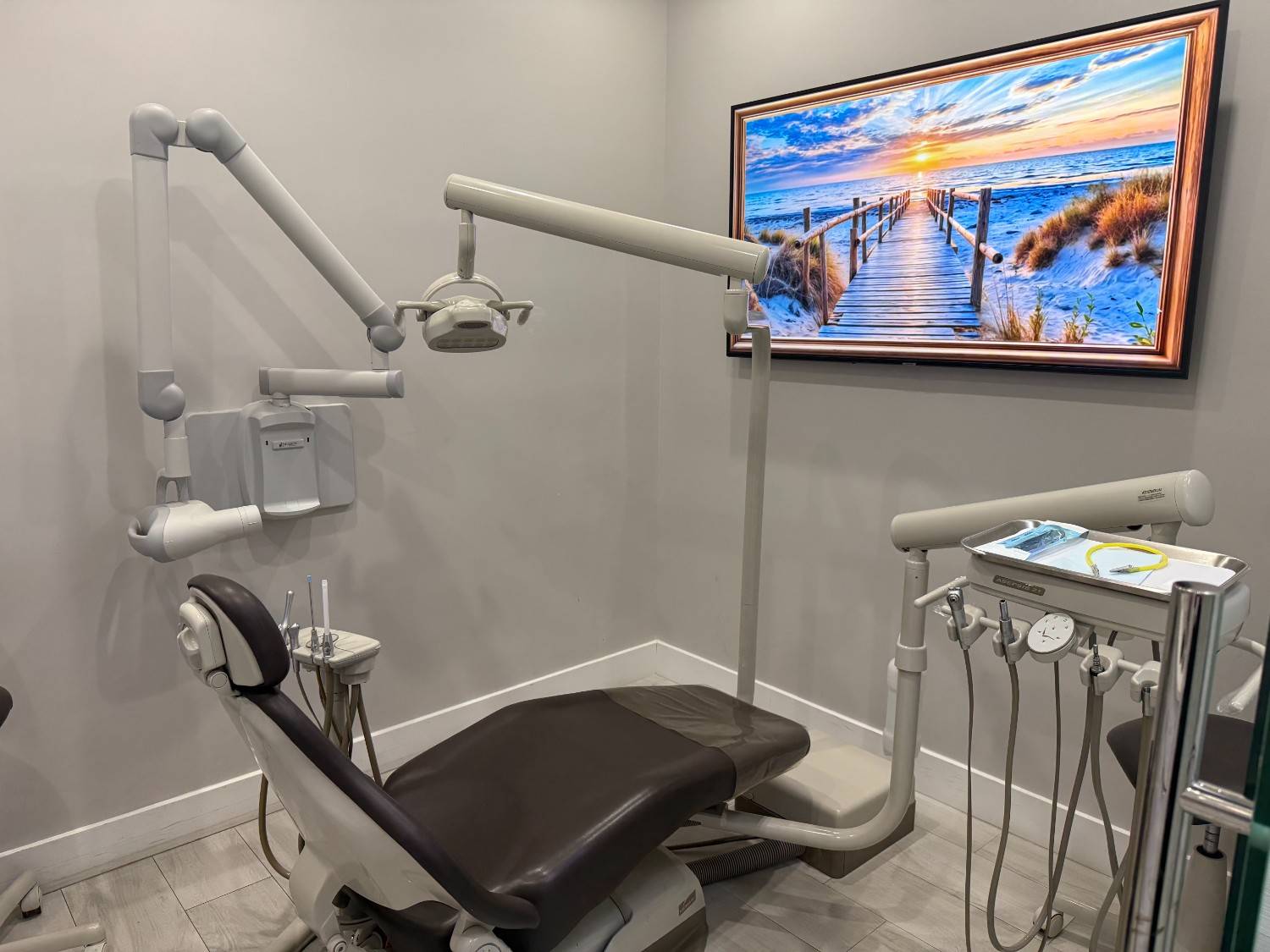
Your consultation is a chance to understand how composite bonding may fit into your care. The team will connect clinical findings to the symptoms, concerns, or changes that brought you in.
Bonding adds composite resin directly to a tooth to repair a small chip, close a localized gap, rebuild an edge, or improve proportion. The material is selected, sculpted, hardened, and polished during the appointment.
Because composite can stain or chip over time, bonding is best understood as a maintainable restoration rather than a permanent surface. Bite forces and the size of the planned change help determine whether bonding or porcelain is more appropriate.
Shape, shade, alignment, and proportion are considered in the context of your face and your natural smile.
Cosmetic recommendations begin with an evaluation of the teeth, gums, bite, and existing dental work.
You can discuss subtle refinement or a more noticeable change before choosing a treatment direction.
These stages are a general guide. The exact visit or care plan varies with oral health, clinical needs, and the office’s recommendations.
The dentist identifies where material will be added and selects a matching shade.
The tooth is conditioned and composite is placed, shaped, and hardened in layers.
The surface, edges, and bite are refined for a natural transition.
Bonding can chip or stain over time. Avoid biting hard objects, maintain careful home care, and ask about polishing or repair if the surface changes.
Your dentist will tailor instructions to the service, visit, and your health. If something feels different from what the team described—or symptoms worsen instead of improving—contact your Caring Dental office for guidance.
A clinical examination is the best starting point. Your dentist can identify the cause of a concern, discuss whether this service is useful, and explain any appropriate alternatives.
Comfort considerations depend on the service, planned visit, and your health. Tell the team about sensitivity or dental anxiety so your care can be planned with that in mind.
Cost varies with the service, complexity, materials, insurance, and number of visits involved. Ask the office what estimate and payment information may be available for the care being considered.
Bonding can chip or stain over time. Avoid biting hard objects, maintain careful home care, and ask about polishing or repair if the surface changes.
Appointment requests