Clinical findings and the goals you discuss.
Implants may replace one tooth, several teeth, or help stabilize a denture when oral health, available bone, and general health support predictable healing.
Tooth replacement & implants
The useful first question is not whether you can name the right service. It is what your symptoms, records, clinical findings, and priorities show together.
Your Caring Dental dentist will review your health, listen to what you want to understand or change, and explain how dental implants or another reasonable direction may fit your needs.
Implants may replace one tooth, several teeth, or help stabilize a denture when oral health, available bone, and general health support predictable healing.
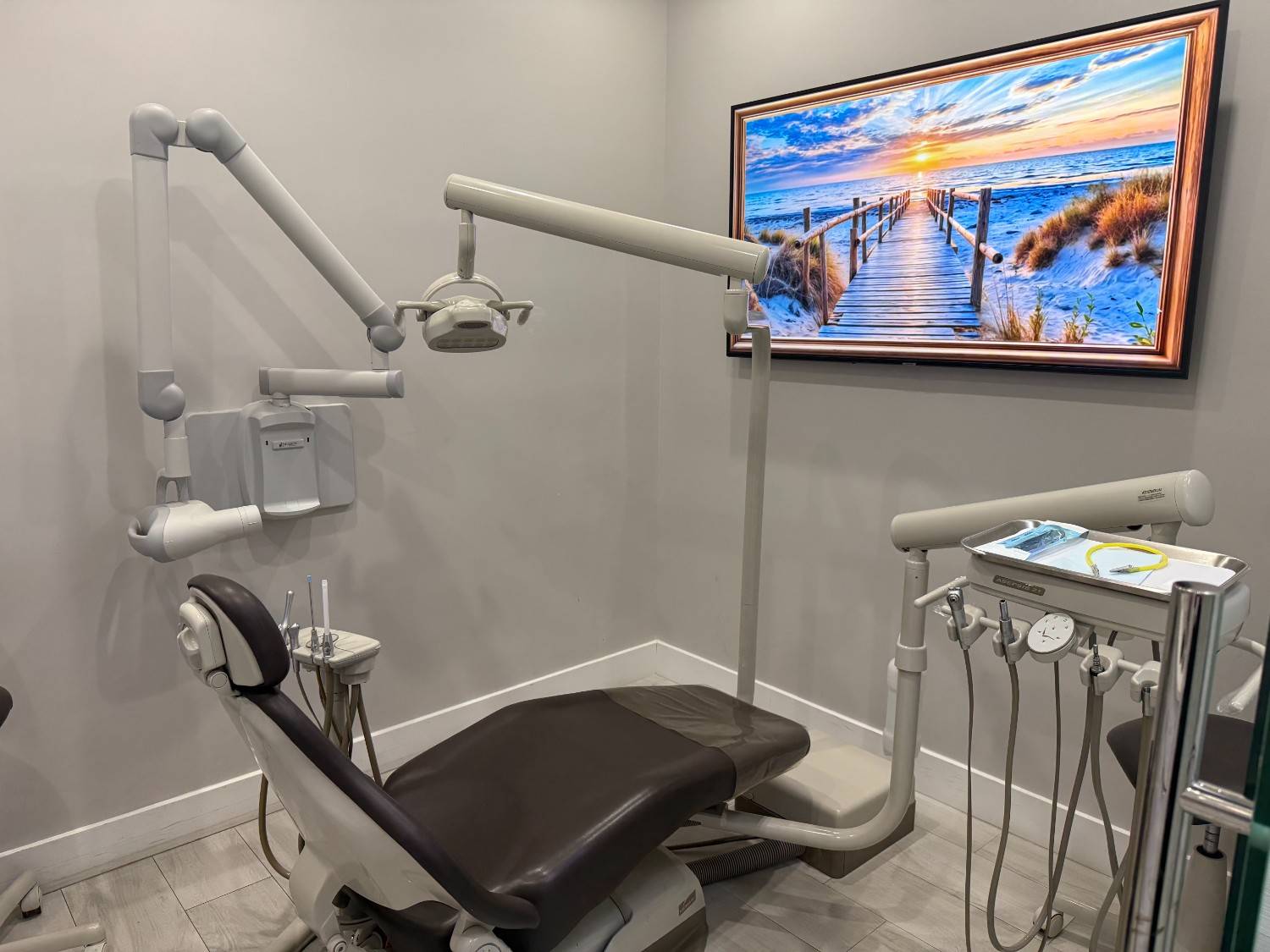
Your consultation is a chance to understand how dental implants may fit into your care. The team will connect clinical findings to the symptoms, concerns, or changes that brought you in.
An implant is the foundation placed in the jawbone; an abutment connects that foundation to the visible crown, bridge, or denture attachment. Planning begins with the final tooth position so the surgical and restorative parts work together.
Implant treatment usually involves healing between stages. Bone volume, gum health, smoking, medications, health conditions, bite forces, and home care can all influence candidacy, timing, and long-term maintenance.
Replacement planning considers chewing, speech, stability, appearance, and how the new teeth meet.
Removable, fixed, and implant-supported options differ in treatment time, maintenance, health needs, and cost.
Long-term success depends on healthy gums, cleanable design, regular monitoring, and management of bite forces.
These stages are a general guide. The exact visit or care plan varies with oral health, clinical needs, and the office’s recommendations.
The implant is positioned in the jaw at the planned location, usually with local anesthesia.
Bone heals around the implant before it supports the final tooth; timing varies by case.
A custom crown, bridge, or denture connection is made and the bite is carefully checked.
Keep the surgical area clean according to your instructions, attend healing checks, and maintain the finished implant with daily plaque control and regular professional care.
Your dentist will tailor instructions to the service, visit, and your health. If something feels different from what the team described—or symptoms worsen instead of improving—contact your Caring Dental office for guidance.
A clinical examination is the best starting point. Your dentist can identify the cause of a concern, discuss whether this service is useful, and explain any appropriate alternatives.
Comfort considerations depend on the service, planned visit, and your health. Tell the team about sensitivity or dental anxiety so your care can be planned with that in mind.
Cost varies with the service, complexity, materials, insurance, and number of visits involved. Ask the office what estimate and payment information may be available for the care being considered.
Keep the surgical area clean according to your instructions, attend healing checks, and maintain the finished implant with daily plaque control and regular professional care.
Appointment requests