Clinical findings and the goals you discuss.
Partial dentures can replace several missing teeth, while full dentures replace an entire upper or lower arch when natural teeth are no longer present.
Tooth replacement & implants
The useful first question is not whether you can name the right service. It is what your symptoms, records, clinical findings, and priorities show together.
Your Caring Dental dentist will review your health, listen to what you want to understand or change, and explain how partial & full dentures or another reasonable direction may fit your needs.
Partial dentures can replace several missing teeth, while full dentures replace an entire upper or lower arch when natural teeth are no longer present.
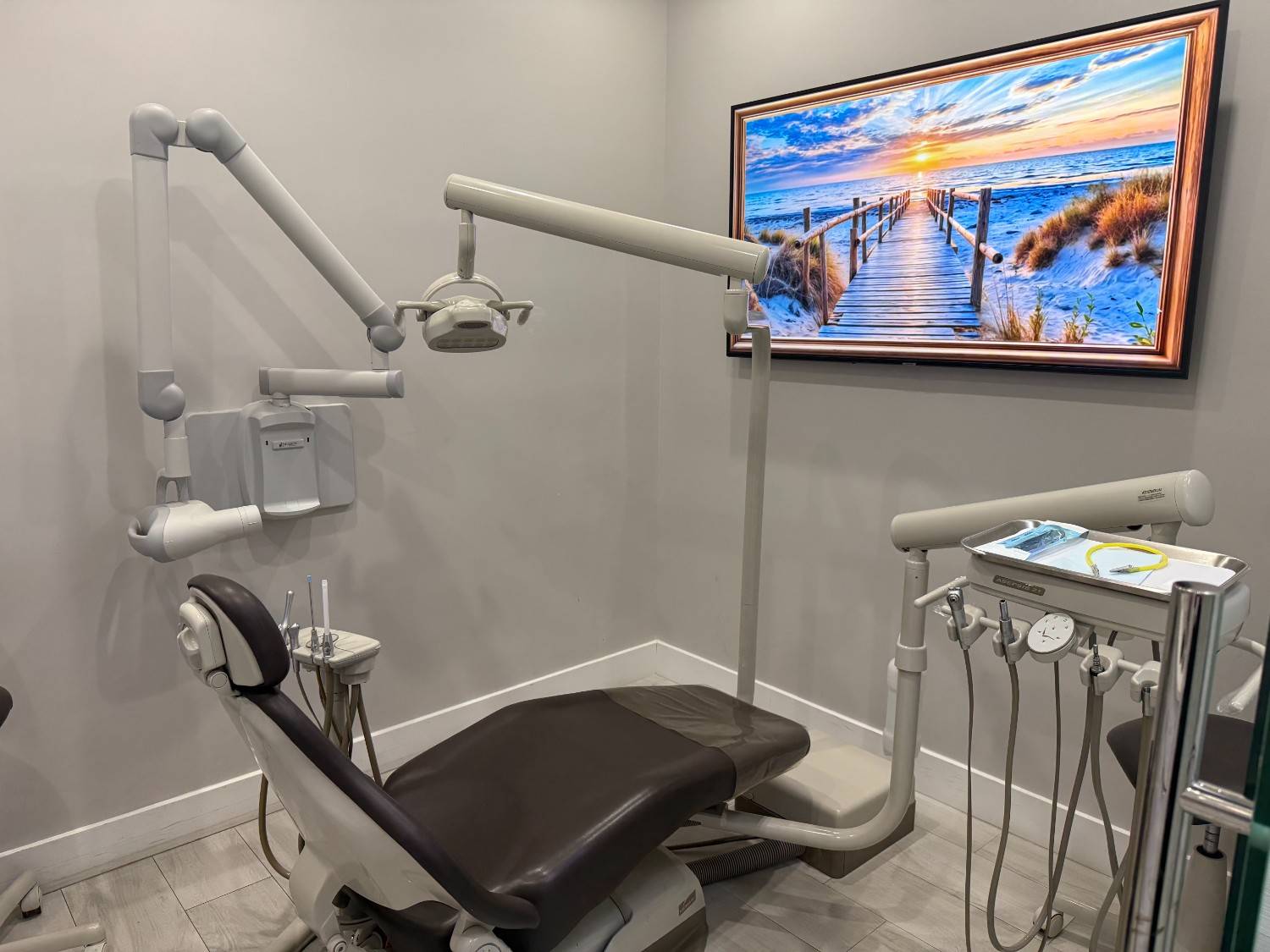
Your consultation is a chance to understand how partial & full dentures may fit into your care. The team will connect clinical findings to the symptoms, concerns, or changes that brought you in.
A partial denture replaces selected missing teeth and uses the remaining teeth for support. A full denture replaces all teeth in an upper or lower arch and rests on the gums and underlying tissues.
Fit, appearance, speech, chewing, cleaning, and long-term tissue changes all matter. The dentist can also discuss whether implants could improve stability or whether another replacement approach better fits your health and priorities.
Replacement planning considers chewing, speech, stability, appearance, and how the new teeth meet.
Removable, fixed, and implant-supported options differ in treatment time, maintenance, health needs, and cost.
Long-term success depends on healthy gums, cleanable design, regular monitoring, and management of bite forces.
These stages are a general guide. The exact visit or care plan varies with oral health, clinical needs, and the office’s recommendations.
Measurements, impressions or scans, and shade information guide the appliance design.
The proposed tooth arrangement and bite may be evaluated before completion.
The dentist checks fit, function, and appearance and schedules refinements as tissues adapt.
Clean the appliance daily, remove it as instructed, and return for sore-spot or bite adjustments. Regular exams remain important even when no natural teeth are present.
Your dentist will tailor instructions to the service, visit, and your health. If something feels different from what the team described—or symptoms worsen instead of improving—contact your Caring Dental office for guidance.
A clinical examination is the best starting point. Your dentist can identify the cause of a concern, discuss whether this service is useful, and explain any appropriate alternatives.
Comfort considerations depend on the service, planned visit, and your health. Tell the team about sensitivity or dental anxiety so your care can be planned with that in mind.
Cost varies with the service, complexity, materials, insurance, and number of visits involved. Ask the office what estimate and payment information may be available for the care being considered.
Clean the appliance daily, remove it as instructed, and return for sore-spot or bite adjustments. Regular exams remain important even when no natural teeth are present.
Appointment requests