
Clinical findings and the goals you discuss.
A gingivectomy removes or reshapes selected gum tissue to improve access for cleaning, address certain gum conditions, or create a more even visible gum line.
Oral & periodontal surgery
The useful first question is not whether you can name the right service. It is what your symptoms, records, clinical findings, and priorities show together.
Your Caring Dental dentist will review your health, listen to what you want to understand or change, and explain how gingivectomy or another reasonable direction may fit your needs.
A gingivectomy removes or reshapes selected gum tissue to improve access for cleaning, address certain gum conditions, or create a more even visible gum line.
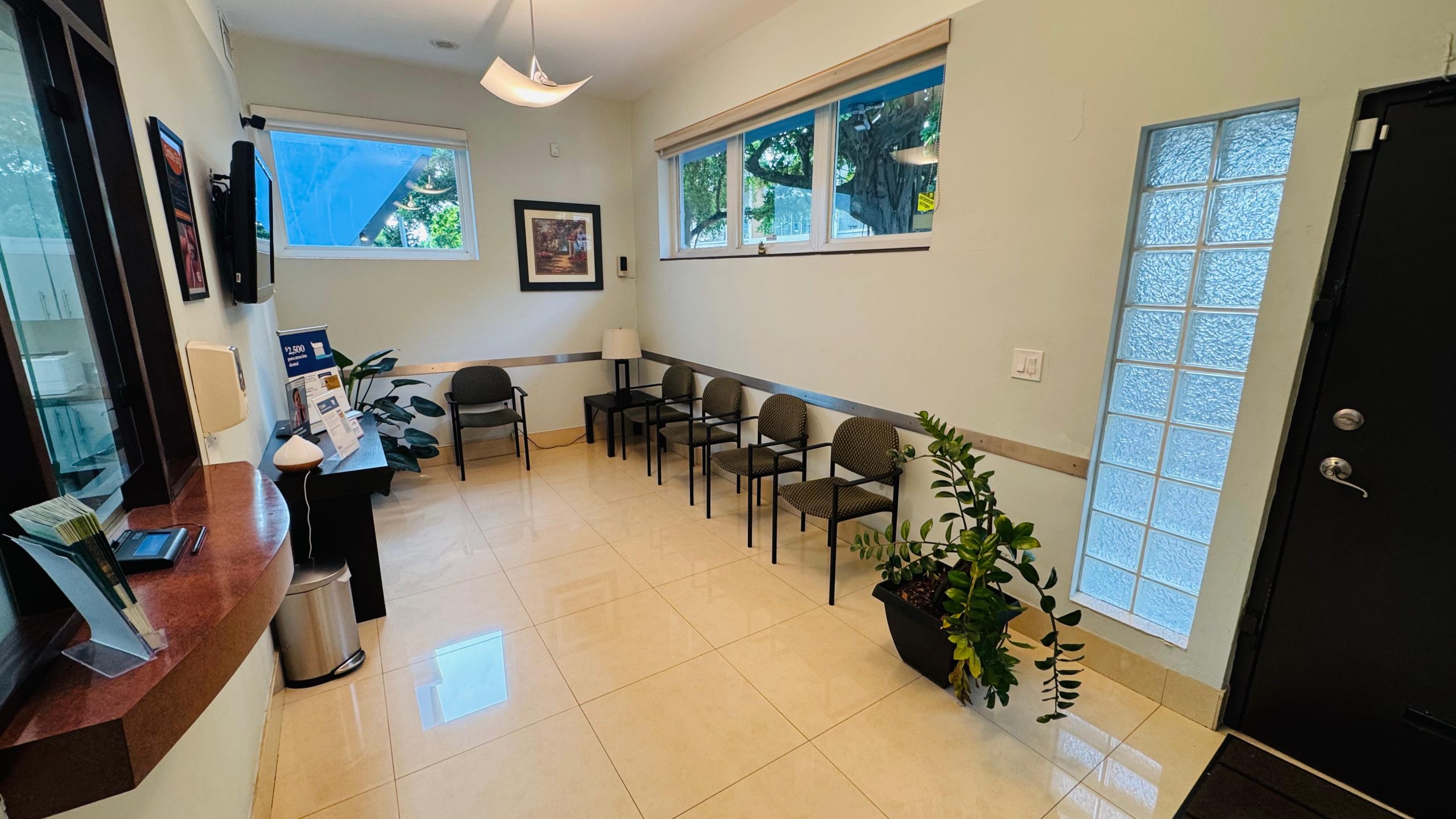
Your consultation is a chance to understand how gingivectomy may fit into your care. The team will connect clinical findings to the symptoms, concerns, or changes that brought you in.
A gingivectomy removes or reshapes selected gum tissue. It may improve access for cleaning, address tissue affected by periodontal conditions, expose more tooth structure for a restoration, or create a more balanced visible gum line.
The reason for excess tissue determines the plan. Gum measurements, bone position, tooth proportions, inflammation, medications, and healing expectations are evaluated before deciding how much tissue can be treated safely.
Imaging, health history, anatomy, comfort, and the reason for treatment shape the surgical approach.
Clear instructions cover cleaning, eating, medication, activity, and symptoms that warrant a call.
Restoration, replacement, periodontal maintenance, or cosmetic care may need to be planned before treatment begins.
These stages are a general guide. The exact visit or care plan varies with oral health, clinical needs, and the office’s recommendations.
The dentist identifies the tissue to be treated and confirms the intended shape.
The area is numbed and selected gum tissue is carefully removed or contoured.
The site is checked and you receive cleaning, eating, and comfort instructions.
The gums may feel tender while the surface heals. Keep the area clean exactly as directed and contact the office for persistent bleeding, increasing swelling, or worsening discomfort.
Your dentist will tailor instructions to the service, visit, and your health. If something feels different from what the team described—or symptoms worsen instead of improving—contact your Caring Dental office for guidance.
A clinical examination is the best starting point. Your dentist can identify the cause of a concern, discuss whether this service is useful, and explain any appropriate alternatives.
Comfort considerations depend on the service, planned visit, and your health. Tell the team about sensitivity or dental anxiety so your care can be planned with that in mind.
Cost varies with the service, complexity, materials, insurance, and number of visits involved. Ask the office what estimate and payment information may be available for the care being considered.
The gums may feel tender while the surface heals. Keep the area clean exactly as directed and contact the office for persistent bleeding, increasing swelling, or worsening discomfort.
Appointment requests