
Clinical findings and the goals you discuss.
Extraction may be necessary when a tooth is severely fractured, infected, loose from bone loss, crowded, or unable to be restored predictably.
Oral & periodontal surgery
The useful first question is not whether you can name the right service. It is what your symptoms, records, clinical findings, and priorities show together.
Your Caring Dental dentist will review your health, listen to what you want to understand or change, and explain how tooth extractions or another reasonable direction may fit your needs.
Extraction may be necessary when a tooth is severely fractured, infected, loose from bone loss, crowded, or unable to be restored predictably.
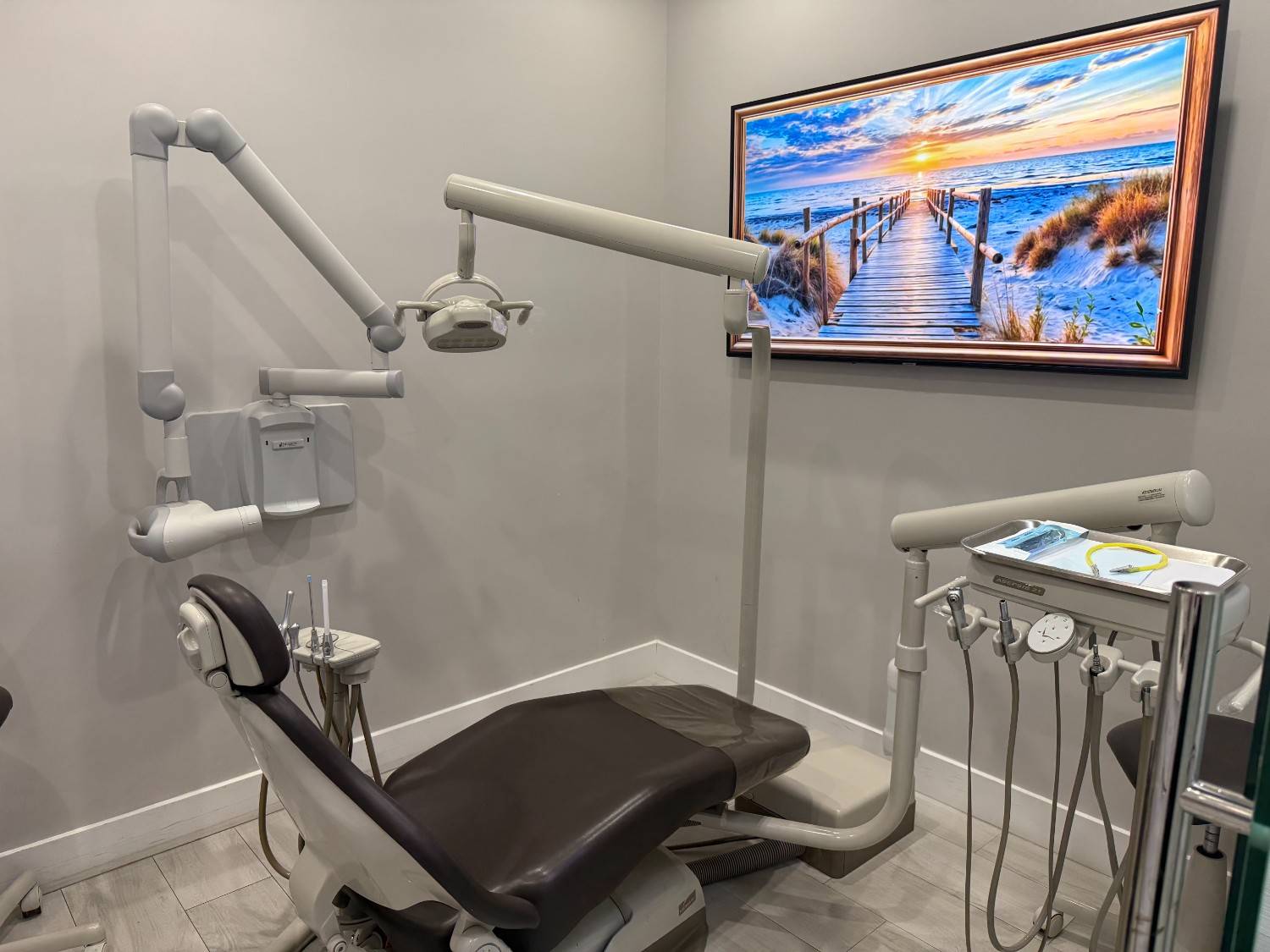
Your consultation is a chance to understand how tooth extractions may fit into your care. The team will connect clinical findings to the symptoms, concerns, or changes that brought you in.
Extraction is considered when a tooth cannot be restored predictably or when keeping it would compromise comfort, infection control, alignment, or a broader treatment plan. Imaging helps the dentist understand root shape and nearby anatomy.
The plan extends beyond removing the tooth. Instructions protect early healing, while bone preservation and replacement choices may need to be discussed before the procedure—especially in a visible area or when an implant is being considered.
Imaging, health history, anatomy, comfort, and the reason for treatment shape the surgical approach.
Clear instructions cover cleaning, eating, medication, activity, and symptoms that warrant a call.
Restoration, replacement, periodontal maintenance, or cosmetic care may need to be planned before treatment begins.
These stages are a general guide. The exact visit or care plan varies with oral health, clinical needs, and the office’s recommendations.
The area is numbed and the dentist explains what pressure or sensations to expect.
The tooth is loosened and removed with a technique suited to its shape and condition.
The area is cleaned and may receive sutures or grafting depending on the plan.
Protect the blood clot, follow eating and cleaning instructions, and avoid smoking or vigorous rinsing during early healing. Call for heavy bleeding, increasing swelling, fever, or worsening pain.
Your dentist will tailor instructions to the service, visit, and your health. If something feels different from what the team described—or symptoms worsen instead of improving—contact your Caring Dental office for guidance.
A clinical examination is the best starting point. Your dentist can identify the cause of a concern, discuss whether this service is useful, and explain any appropriate alternatives.
Comfort considerations depend on the service, planned visit, and your health. Tell the team about sensitivity or dental anxiety so your care can be planned with that in mind.
Cost varies with the service, complexity, materials, insurance, and number of visits involved. Ask the office what estimate and payment information may be available for the care being considered.
Protect the blood clot, follow eating and cleaning instructions, and avoid smoking or vigorous rinsing during early healing. Call for heavy bleeding, increasing swelling, fever, or worsening pain.
Appointment requests