Clinical findings and the goals you discuss.
Cleanings and exams are the foundation of ongoing care for patients of every age, including people who feel healthy and have no current symptoms.
Preventive & family dentistry
The useful first question is not whether you can name the right service. It is what your symptoms, records, clinical findings, and priorities show together.
Your Caring Dental dentist will review your health, listen to what you want to understand or change, and explain how dental cleanings & checkups or another reasonable direction may fit your needs.
Cleanings and exams are the foundation of ongoing care for patients of every age, including people who feel healthy and have no current symptoms.
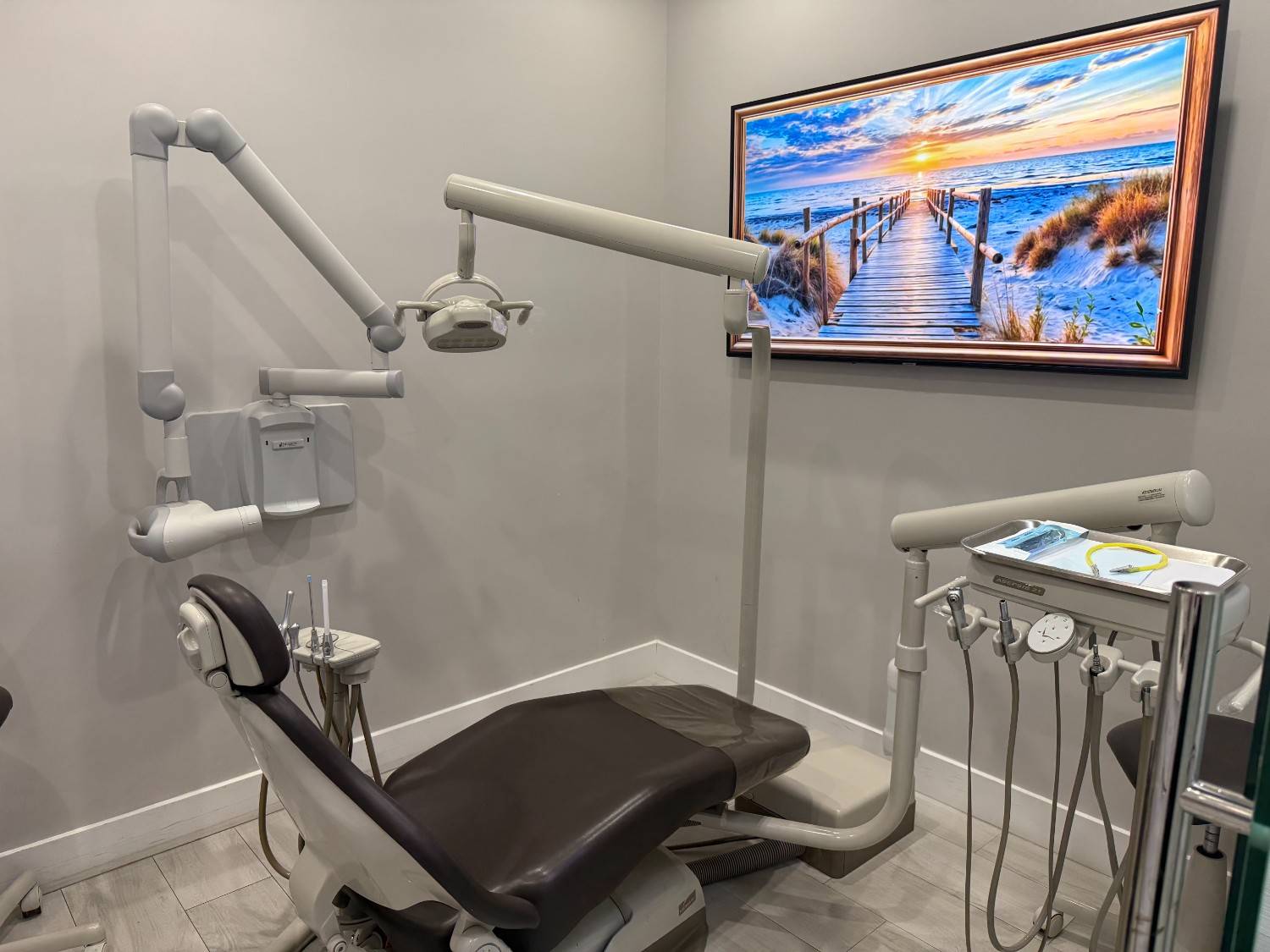
Your consultation is a chance to understand how dental cleanings & checkups may fit into your care. The team will connect clinical findings to the symptoms, concerns, or changes that brought you in.
A dental exam is the diagnostic part of the visit. Your dentist reviews changes in your health, checks the teeth and gums, evaluates existing dental work, and decides whether any focused testing or imaging is appropriate.
A professional cleaning is preventive care. It removes plaque and hardened buildup that home brushing cannot fully reach, then gives the team an opportunity to tailor brushing, flossing, and recall recommendations to what they see.
Regular monitoring can reveal subtle changes before they become larger or more uncomfortable problems.
Your care plan can include specific home-care guidance based on your mouth, habits, and risk factors.
Consistent preventive care supports the teeth, gums, and restorations you already have.
These stages are a general guide. The exact visit or care plan varies with oral health, clinical needs, and the office’s recommendations.
Your dentist evaluates the teeth, gums, bite, and any areas you want checked.
A hygienist removes plaque and hardened buildup, then polishes the teeth.
You leave with home-care guidance and a recommended interval for your next visit.
Most patients return to normal activities immediately. Mild gum tenderness can occur when buildup or inflammation is present and usually settles with gentle brushing and flossing.
Your dentist will tailor instructions to the service, visit, and your health. If something feels different from what the team described—or symptoms worsen instead of improving—contact your Caring Dental office for guidance.
A clinical examination is the best starting point. Your dentist can identify the cause of a concern, discuss whether this service is useful, and explain any appropriate alternatives.
Comfort considerations depend on the service, planned visit, and your health. Tell the team about sensitivity or dental anxiety so your care can be planned with that in mind.
Cost varies with the service, complexity, materials, insurance, and number of visits involved. Ask the office what estimate and payment information may be available for the care being considered.
Most patients return to normal activities immediately. Mild gum tenderness can occur when buildup or inflammation is present and usually settles with gentle brushing and flossing.
Appointment requests