
Clinical findings and the goals you discuss.
A custom night guard may help patients who clench or grind, wake with jaw fatigue, show unusual tooth wear, or need to protect existing dental work.
Preventive & family dentistry
The useful first question is not whether you can name the right service. It is what your symptoms, records, clinical findings, and priorities show together.
Your Caring Dental dentist will review your health, listen to what you want to understand or change, and explain how night guards or another reasonable direction may fit your needs.
A custom night guard may help patients who clench or grind, wake with jaw fatigue, show unusual tooth wear, or need to protect existing dental work.
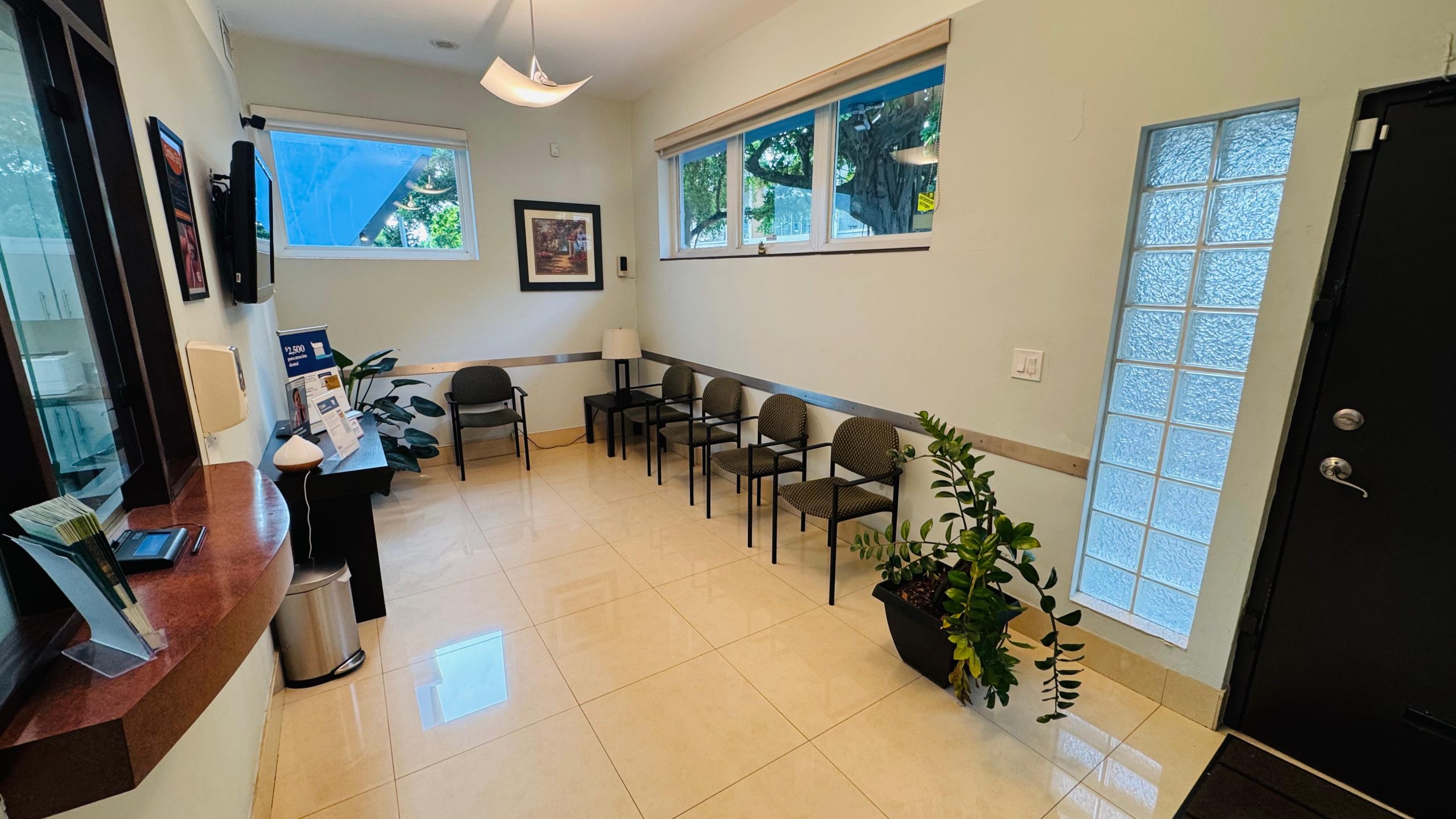
Your consultation is a chance to understand how night guards may fit into your care. The team will connect clinical findings to the symptoms, concerns, or changes that brought you in.
A custom night guard separates the upper and lower teeth while you sleep. It can reduce direct wear and help protect vulnerable enamel, crowns, veneers, or other dental work from clenching and grinding forces.
A guard does not cure every source of jaw pain, headache, or sleep-related grinding. The dentist first checks the bite, muscles, joints, tooth wear, and restorations to determine whether a guard is an appropriate part of the plan.
Regular monitoring can reveal subtle changes before they become larger or more uncomfortable problems.
Your care plan can include specific home-care guidance based on your mouth, habits, and risk factors.
Consistent preventive care supports the teeth, gums, and restorations you already have.
These stages are a general guide. The exact visit or care plan varies with oral health, clinical needs, and the office’s recommendations.
A scan or impression captures the shape and relationship of your teeth.
A dental laboratory creates a guard designed for your bite.
The dentist checks retention, comfort, and bite contact, then makes adjustments.
Rinse and brush the guard gently, store it dry in its ventilated case, and bring it to dental visits so the fit and wear can be checked.
Your dentist will tailor instructions to the service, visit, and your health. If something feels different from what the team described—or symptoms worsen instead of improving—contact your Caring Dental office for guidance.
A clinical examination is the best starting point. Your dentist can identify the cause of a concern, discuss whether this service is useful, and explain any appropriate alternatives.
Comfort considerations depend on the service, planned visit, and your health. Tell the team about sensitivity or dental anxiety so your care can be planned with that in mind.
Cost varies with the service, complexity, materials, insurance, and number of visits involved. Ask the office what estimate and payment information may be available for the care being considered.
Rinse and brush the guard gently, store it dry in its ventilated case, and bring it to dental visits so the fit and wear can be checked.
Appointment requests