
Clinical findings and the goals you discuss.
Fluoride can strengthen vulnerable enamel, while sealants can protect deep grooves in back teeth that are difficult to clean thoroughly.
Preventive & family dentistry
The useful first question is not whether you can name the right service. It is what your symptoms, records, clinical findings, and priorities show together.
Your Caring Dental dentist will review your health, listen to what you want to understand or change, and explain how fluoride treatments & sealants or another reasonable direction may fit your needs.
Fluoride can strengthen vulnerable enamel, while sealants can protect deep grooves in back teeth that are difficult to clean thoroughly.
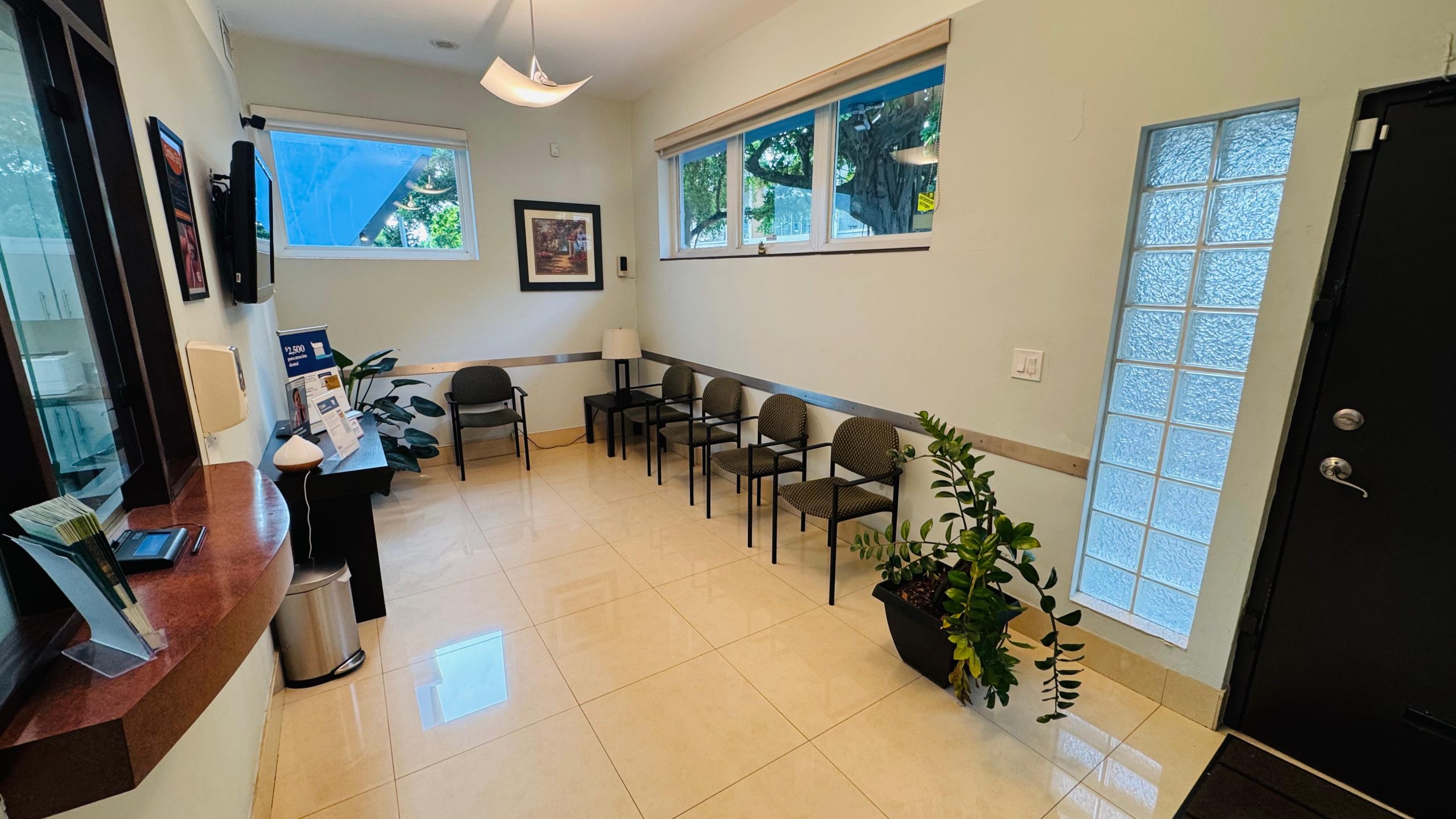
Your consultation is a chance to understand how fluoride treatments & sealants may fit into your care. The team will connect clinical findings to the symptoms, concerns, or changes that brought you in.
Fluoride supports enamel that is vulnerable to mineral loss. A professional application may be considered when cavity history, dry mouth, diet, orthodontic appliances, or other factors place teeth at greater risk.
Sealants create a thin protective layer over deep pits and grooves, most often on back teeth. They do not replace brushing or exams, but they can make cavity-prone chewing surfaces easier to protect.
Regular monitoring can reveal subtle changes before they become larger or more uncomfortable problems.
Your care plan can include specific home-care guidance based on your mouth, habits, and risk factors.
Consistent preventive care supports the teeth, gums, and restorations you already have.
These stages are a general guide. The exact visit or care plan varies with oral health, clinical needs, and the office’s recommendations.
The selected surface is cleaned and kept dry.
Fluoride is brushed on, or a thin sealant is flowed into grooves and hardened.
The dentist verifies coverage and makes sure the bite feels natural.
Follow the team’s instructions about eating or drinking after fluoride. Sealants can be used right away, but they should be checked during routine visits for wear.
Your dentist will tailor instructions to the service, visit, and your health. If something feels different from what the team described—or symptoms worsen instead of improving—contact your Caring Dental office for guidance.
A clinical examination is the best starting point. Your dentist can identify the cause of a concern, discuss whether this service is useful, and explain any appropriate alternatives.
Comfort considerations depend on the service, planned visit, and your health. Tell the team about sensitivity or dental anxiety so your care can be planned with that in mind.
Cost varies with the service, complexity, materials, insurance, and number of visits involved. Ask the office what estimate and payment information may be available for the care being considered.
Follow the team’s instructions about eating or drinking after fluoride. Sealants can be used right away, but they should be checked during routine visits for wear.
Appointment requests