Clinical findings and the goals you discuss.
A crown may be recommended when decay, a crack, a large filling, wear, or root-canal treatment has left a tooth too vulnerable for a smaller restoration.
Restorative dentistry
The useful first question is not whether you can name the right service. It is what your symptoms, records, clinical findings, and priorities show together.
Your Caring Dental dentist will review your health, listen to what you want to understand or change, and explain how dental crowns or another reasonable direction may fit your needs.
A crown may be recommended when decay, a crack, a large filling, wear, or root-canal treatment has left a tooth too vulnerable for a smaller restoration.
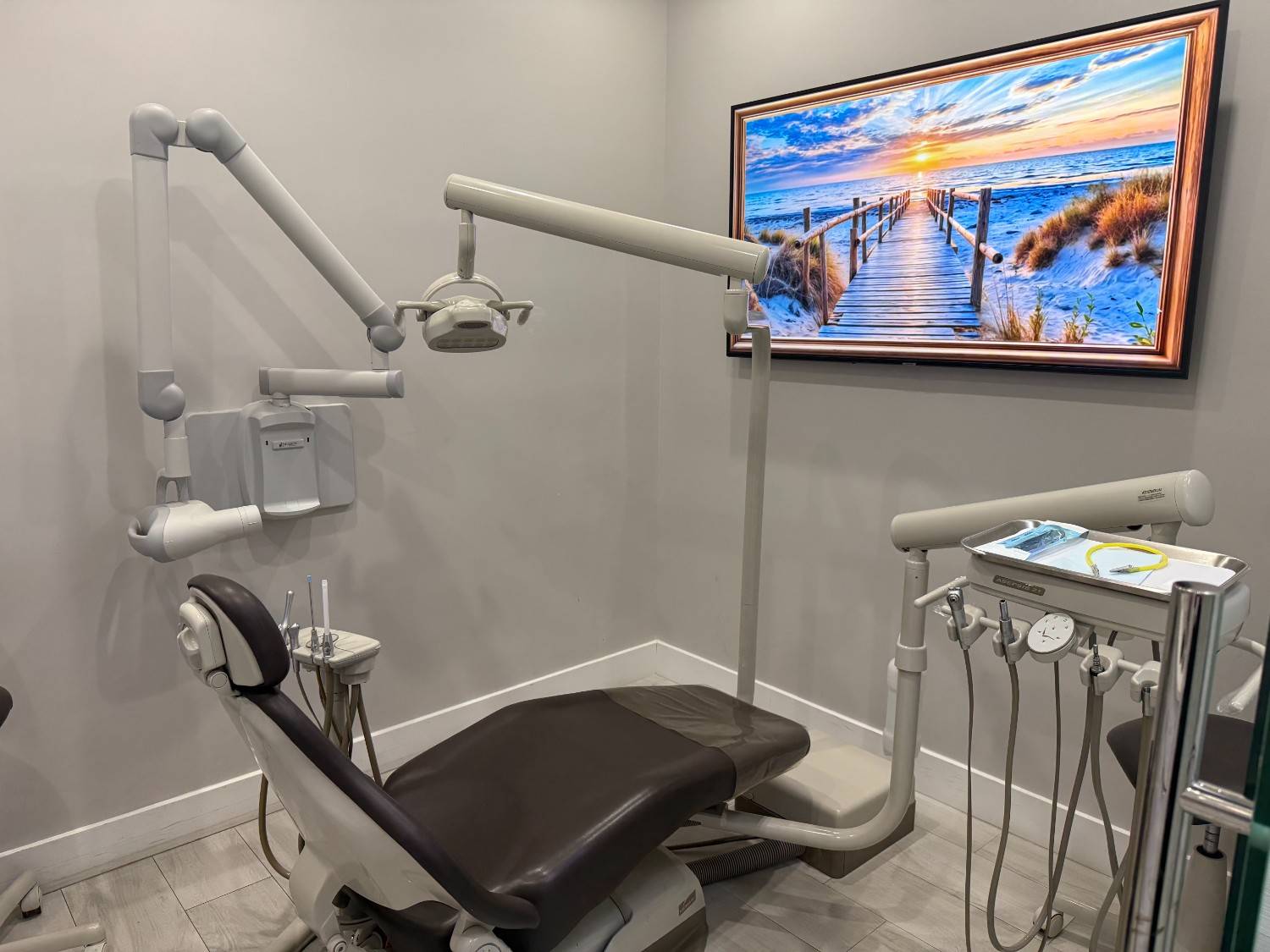
Your consultation is a chance to understand how dental crowns may fit into your care. The team will connect clinical findings to the symptoms, concerns, or changes that brought you in.
A crown covers the visible portion of a prepared tooth. Unlike a filling, which repairs a localized area, a crown surrounds the tooth to reinforce weakened structure and restore shape, contact, and biting function.
Material and design depend on the tooth’s location, remaining structure, bite forces, appearance, and the condition of the gums. The final restoration should fit the tooth and also work naturally with its neighbors.
A crown fits over the visible portion of a prepared tooth. Its job is to reinforce vulnerable structure and restore a shape that works naturally with your bite and neighboring teeth.
A crown can cover a tooth compromised by extensive decay, a crack, wear, or a very large existing filling.
Crowns are also used to restore selected root-canal-treated teeth and to form the visible tooth on a dental implant.
A crown is not interchangeable with a filling or veneer. Your dentist considers remaining tooth structure, bite, gum health, and goals before recommending it.
Treatment is planned to make biting, chewing, speaking, and everyday comfort feel more natural.
The plan balances removal of damaged tissue with protection of the healthy tooth that remains.
Your dentist will discuss materials, maintenance, alternatives, and what can affect long-term results.
These stages are a general guide. The exact visit or care plan varies with oral health, clinical needs, and the office’s recommendations.
The tooth is examined, numbed when needed, and shaped so the restoration can fit securely.
An impression or scan records the prepared tooth, surrounding teeth, bite, and shade for fabrication.
The completed crown is evaluated for fit, appearance, and bite before it is bonded in place.
Brush and floss around the crown every day and avoid using the restored tooth to bite hard objects. Contact the office if the bite feels uneven, the crown moves, or sensitivity does not improve.
Your dentist will tailor instructions to the service, visit, and your health. If something feels different from what the team described—or symptoms worsen instead of improving—contact your Caring Dental office for guidance.
A clinical examination is the best starting point. Your dentist can identify the cause of a concern, discuss whether this service is useful, and explain any appropriate alternatives.
Comfort considerations depend on the service, planned visit, and your health. Tell the team about sensitivity or dental anxiety so your care can be planned with that in mind.
Cost varies with the service, complexity, materials, insurance, and number of visits involved. Ask the office what estimate and payment information may be available for the care being considered.
Brush and floss around the crown every day and avoid using the restored tooth to bite hard objects. Contact the office if the bite feels uneven, the crown moves, or sensitivity does not improve.
Appointment requests