
Clinical findings and the goals you discuss.
A comprehensive rehabilitation can coordinate care for widespread wear, multiple damaged or missing teeth, bite problems, or a combination of functional and cosmetic concerns.
Restorative dentistry
The useful first question is not whether you can name the right service. It is what your symptoms, records, clinical findings, and priorities show together.
Your Caring Dental dentist will review your health, listen to what you want to understand or change, and explain how full-mouth rehabilitation or another reasonable direction may fit your needs.
A comprehensive rehabilitation can coordinate care for widespread wear, multiple damaged or missing teeth, bite problems, or a combination of functional and cosmetic concerns.
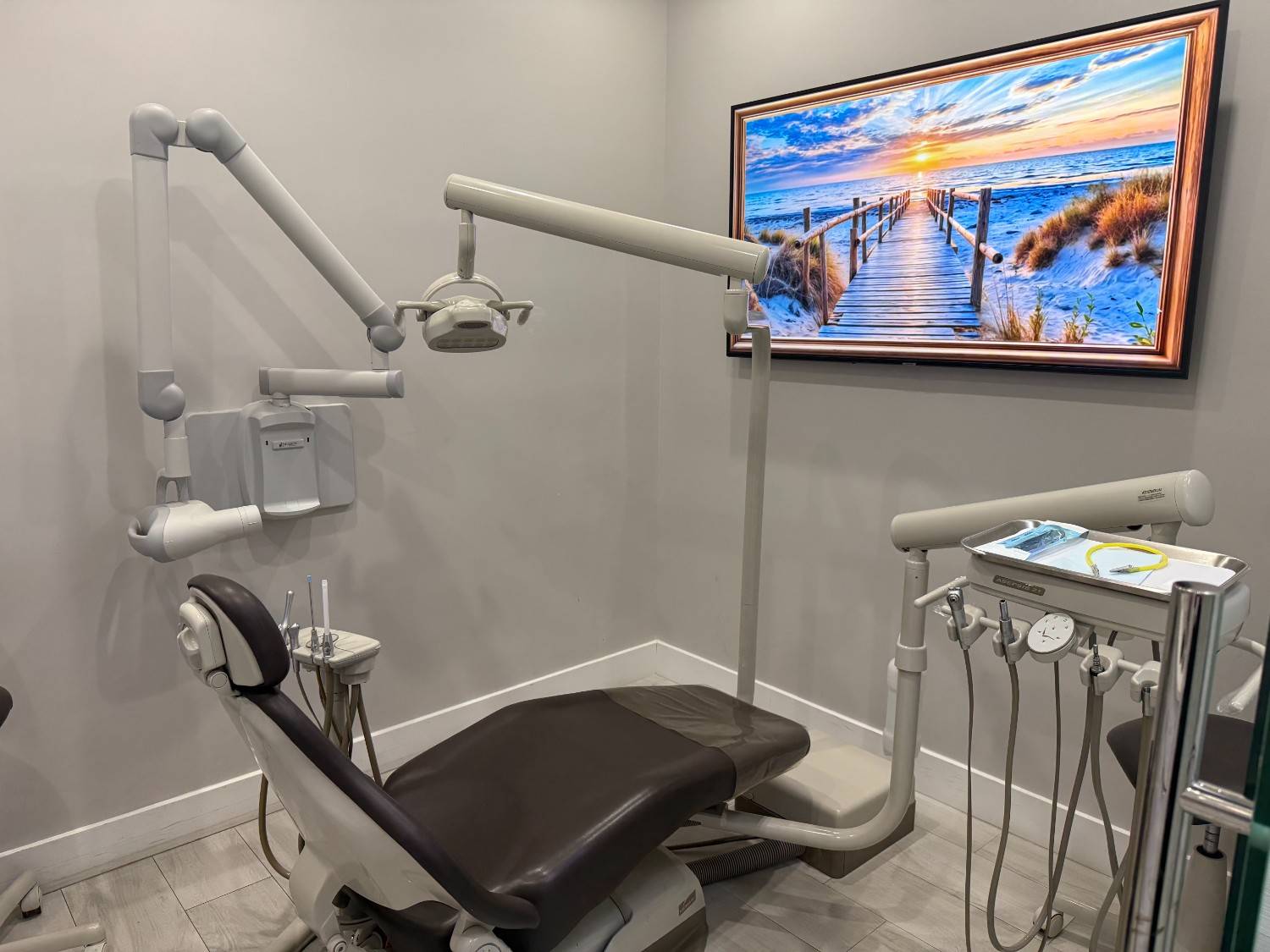
Your consultation is a chance to understand how full-mouth rehabilitation may fit into your care. The team will connect clinical findings to the symptoms, concerns, or changes that brought you in.
Full-mouth rehabilitation is not one procedure. It is a sequenced treatment plan for patients whose teeth, bite, gums, or missing-tooth concerns cannot be addressed predictably with a single isolated restoration.
The process begins with complete records and clear priorities. Disease and urgent problems are stabilized first, then restorative, surgical, orthodontic, and cosmetic phases can be organized around function, appearance, time, and budget.
Treatment is planned to make biting, chewing, speaking, and everyday comfort feel more natural.
The plan balances removal of damaged tissue with protection of the healthy tooth that remains.
Your dentist will discuss materials, maintenance, alternatives, and what can affect long-term results.
These stages are a general guide. The exact visit or care plan varies with oral health, clinical needs, and the office’s recommendations.
Your dentist studies records and develops reasonable treatment paths and priorities.
Disease is addressed first, and provisional treatment may be used to evaluate comfort or bite changes.
Final restorations are completed in an organized sequence with reviews between stages.
A customized maintenance schedule protects the result. Night-guard use, hygiene visits, home care, and periodic bite or restoration checks may be important.
Your dentist will tailor instructions to the service, visit, and your health. If something feels different from what the team described—or symptoms worsen instead of improving—contact your Caring Dental office for guidance.
A clinical examination is the best starting point. Your dentist can identify the cause of a concern, discuss whether this service is useful, and explain any appropriate alternatives.
Comfort considerations depend on the service, planned visit, and your health. Tell the team about sensitivity or dental anxiety so your care can be planned with that in mind.
Cost varies with the service, complexity, materials, insurance, and number of visits involved. Ask the office what estimate and payment information may be available for the care being considered.
A customized maintenance schedule protects the result. Night-guard use, hygiene visits, home care, and periodic bite or restoration checks may be important.
Appointment requests