Clinical findings and the goals you discuss.
Root canal therapy may be recommended when the tissue inside a tooth is inflamed or infected because of deep decay, a crack, trauma, or repeated dental treatment.
Restorative dentistry
The useful first question is not whether you can name the right service. It is what your symptoms, records, clinical findings, and priorities show together.
Your Caring Dental dentist will review your health, listen to what you want to understand or change, and explain how root canal therapy or another reasonable direction may fit your needs.
Root canal therapy may be recommended when the tissue inside a tooth is inflamed or infected because of deep decay, a crack, trauma, or repeated dental treatment.
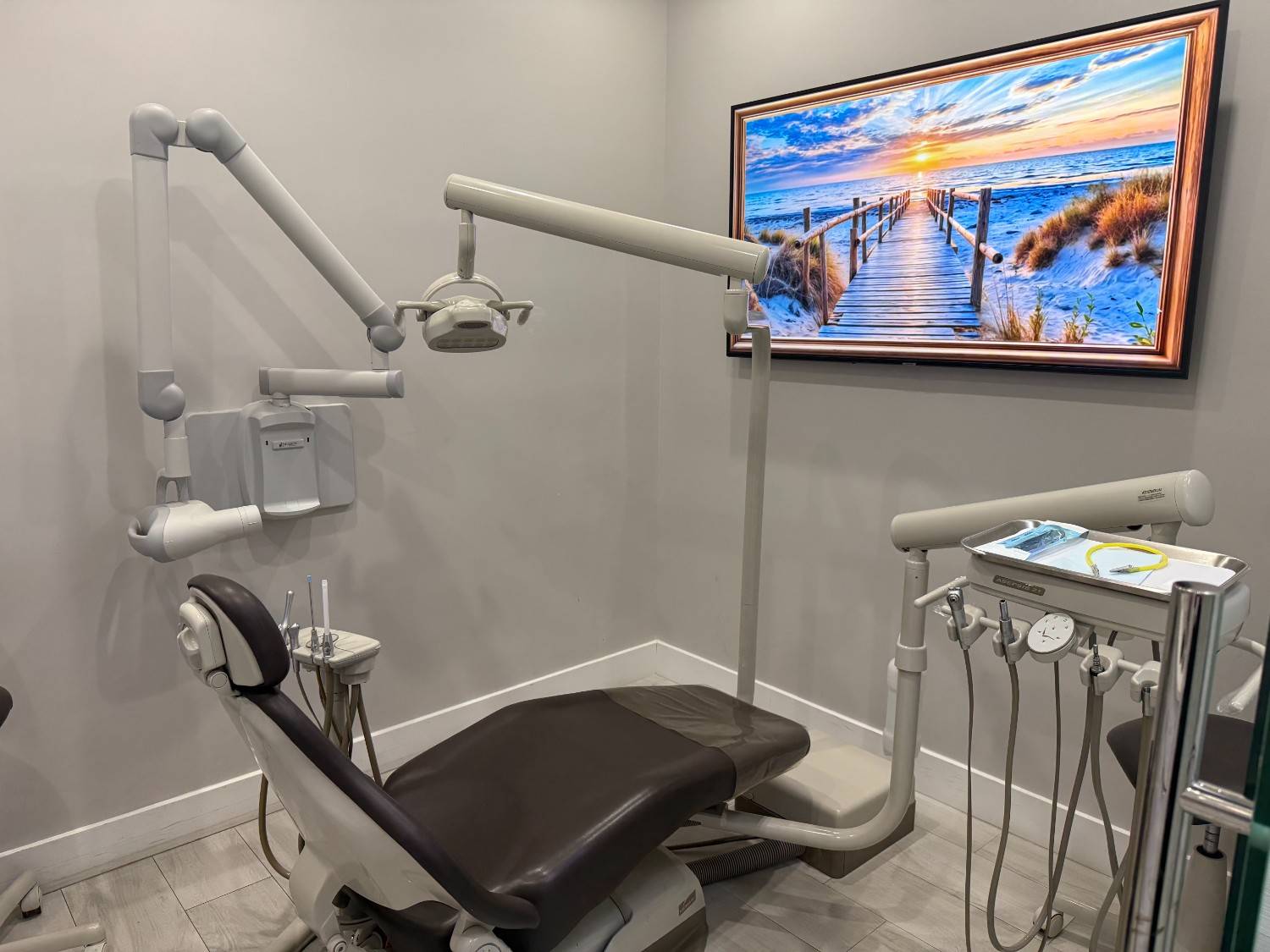
Your consultation is a chance to understand how root canal therapy may fit into your care. The team will connect clinical findings to the symptoms, concerns, or changes that brought you in.
Root canal therapy treats inflammation or infection inside a tooth. The dentist removes affected tissue, cleans and seals the internal canal system, and then plans a final restoration to protect the tooth during function.
Symptoms can include lingering temperature sensitivity, spontaneous pain, swelling, or discomfort when biting, but some teeth show few symptoms. Testing and imaging help distinguish an internal tooth problem from gum, bite, or sinus-related discomfort.
Treatment is planned to make biting, chewing, speaking, and everyday comfort feel more natural.
The plan balances removal of damaged tissue with protection of the healthy tooth that remains.
Your dentist will discuss materials, maintenance, alternatives, and what can affect long-term results.
These stages are a general guide. The exact visit or care plan varies with oral health, clinical needs, and the office’s recommendations.
The area is numbed and a small opening is made to reach the root canals.
Inflamed tissue and bacteria are removed before the canals are shaped, disinfected, and filled.
A filling or crown is planned to protect the treated tooth and return it to function.
Tenderness with biting may occur for a short period. Follow medication instructions, avoid heavy chewing on an unrestored tooth, and complete the final restoration as directed.
Your dentist will tailor instructions to the service, visit, and your health. If something feels different from what the team described—or symptoms worsen instead of improving—contact your Caring Dental office for guidance.
A clinical examination is the best starting point. Your dentist can identify the cause of a concern, discuss whether this service is useful, and explain any appropriate alternatives.
Comfort considerations depend on the service, planned visit, and your health. Tell the team about sensitivity or dental anxiety so your care can be planned with that in mind.
Cost varies with the service, complexity, materials, insurance, and number of visits involved. Ask the office what estimate and payment information may be available for the care being considered.
Tenderness with biting may occur for a short period. Follow medication instructions, avoid heavy chewing on an unrestored tooth, and complete the final restoration as directed.
Appointment requests